

SPACE March 2026 (No. 700)
The Understory
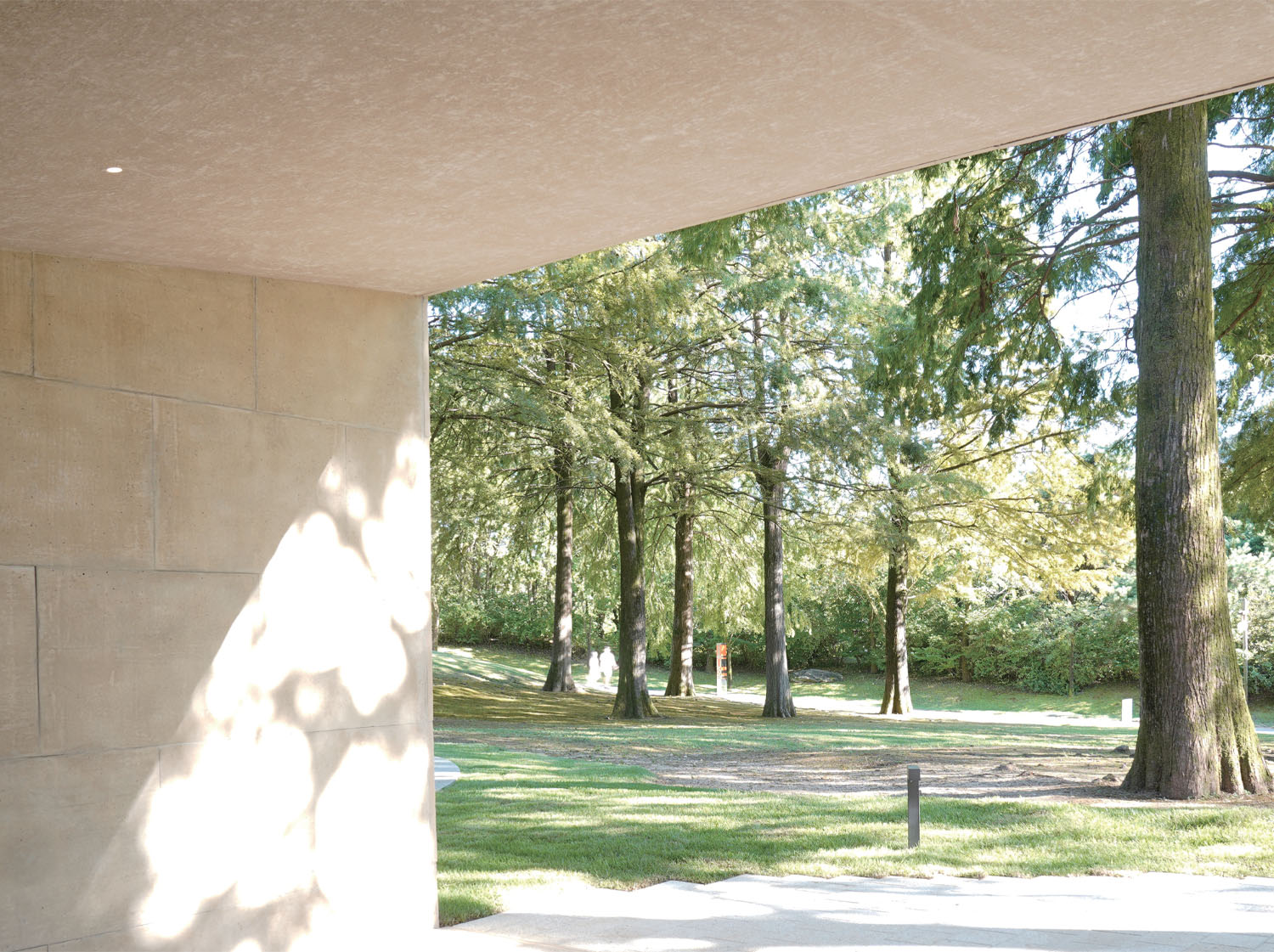
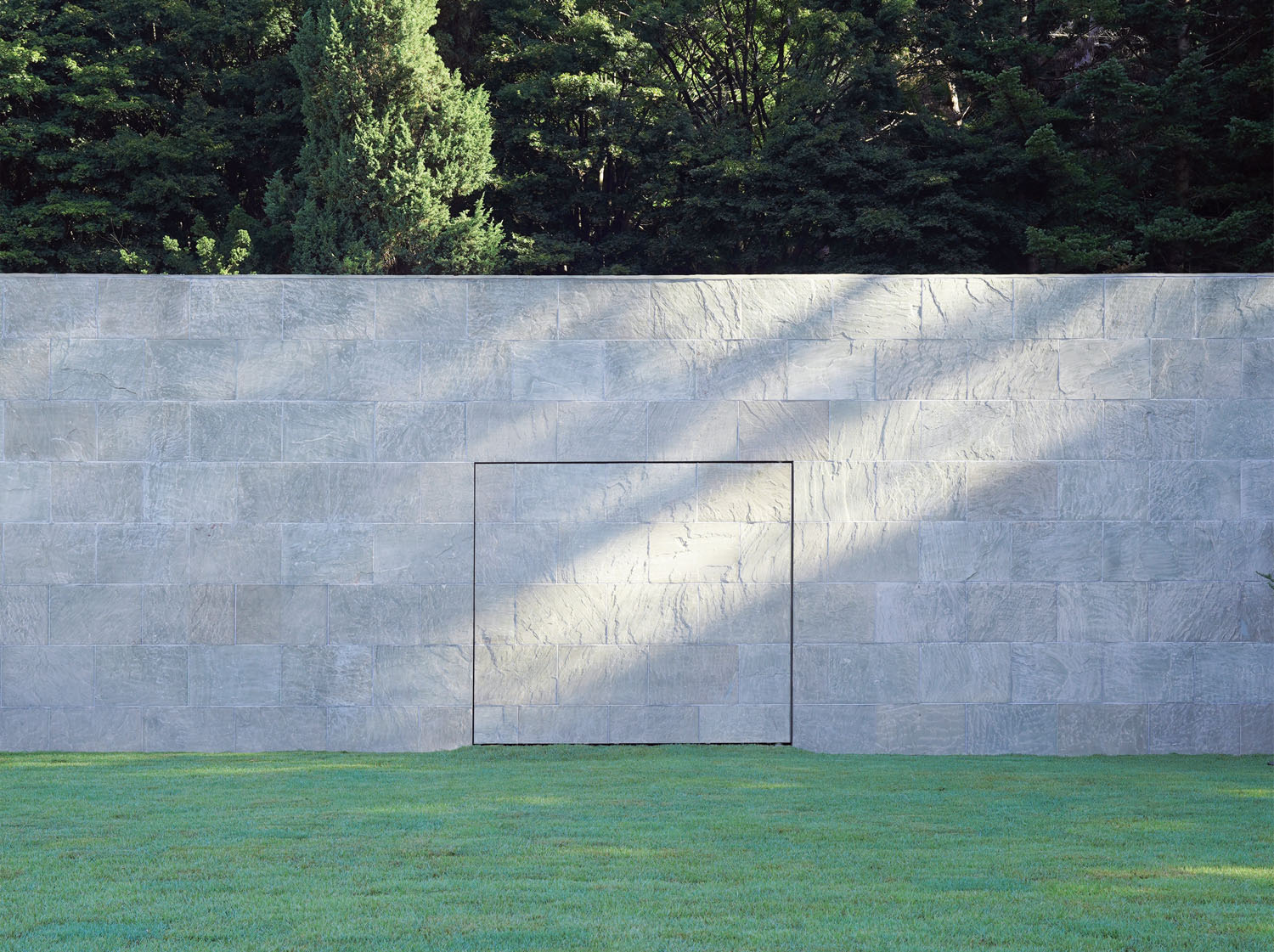
The western part of the Hoam Museum of Art has been carefully cultivated over the years. A dense forest of bald cypress trees stands in rows, and, behind them, a sculpture park sits atop a retaining wall built of stacked sandstone. This was once the home of the works of Antoine-Emile Bourdelle, a French sculptor, and we were invited to participate in a design competition to create a café within this sculpture garden. The site initially proposed was the upper area of the park, raised like a podium overlooking the reservoir. However, we found ourselves more deeply drawn to a different imaginative space, approaching the café as if wandering through the cypress forest, gradually slipping into the site beyond the retaining wall. This idea became the foundation for our winning scheme.
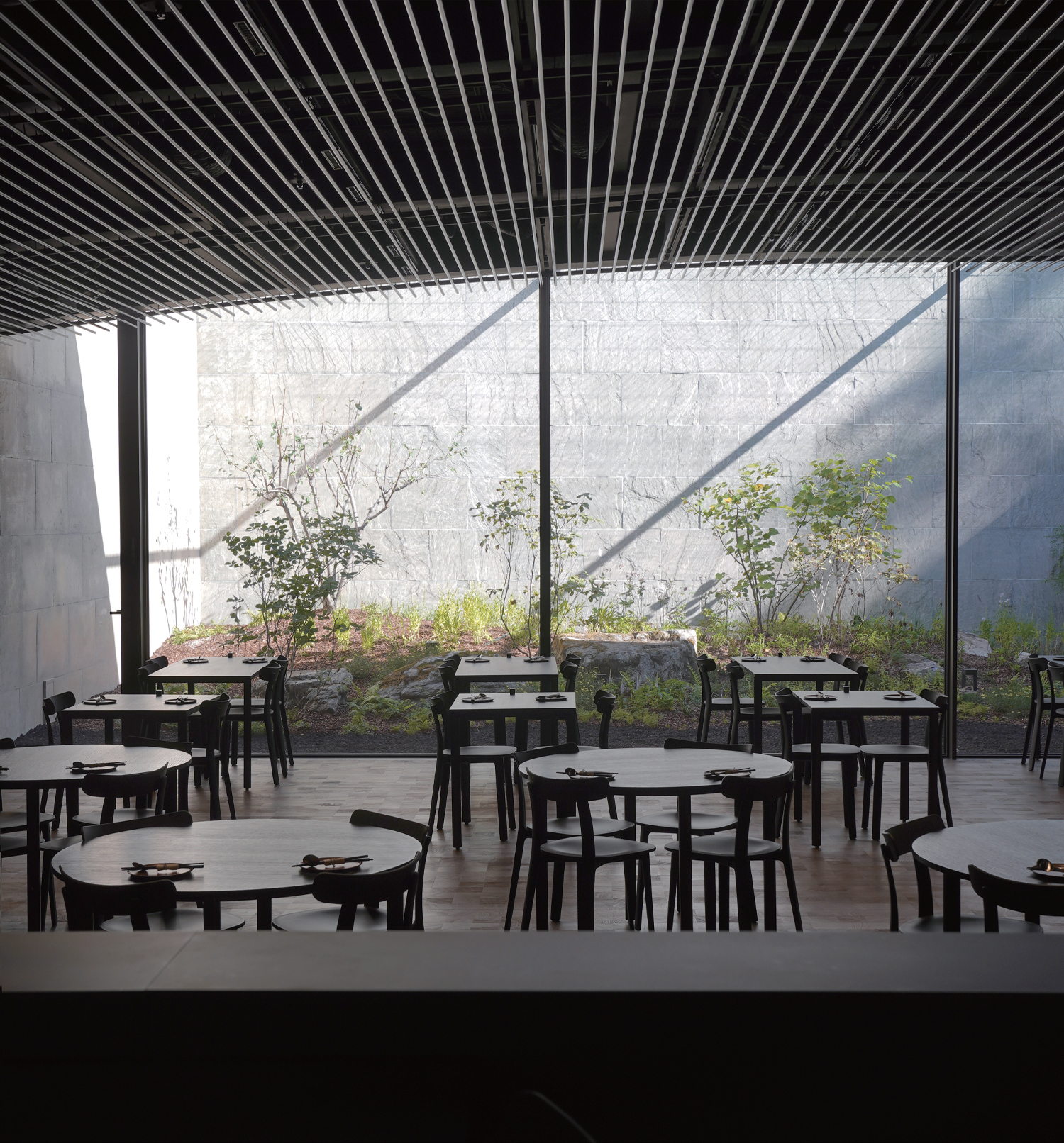
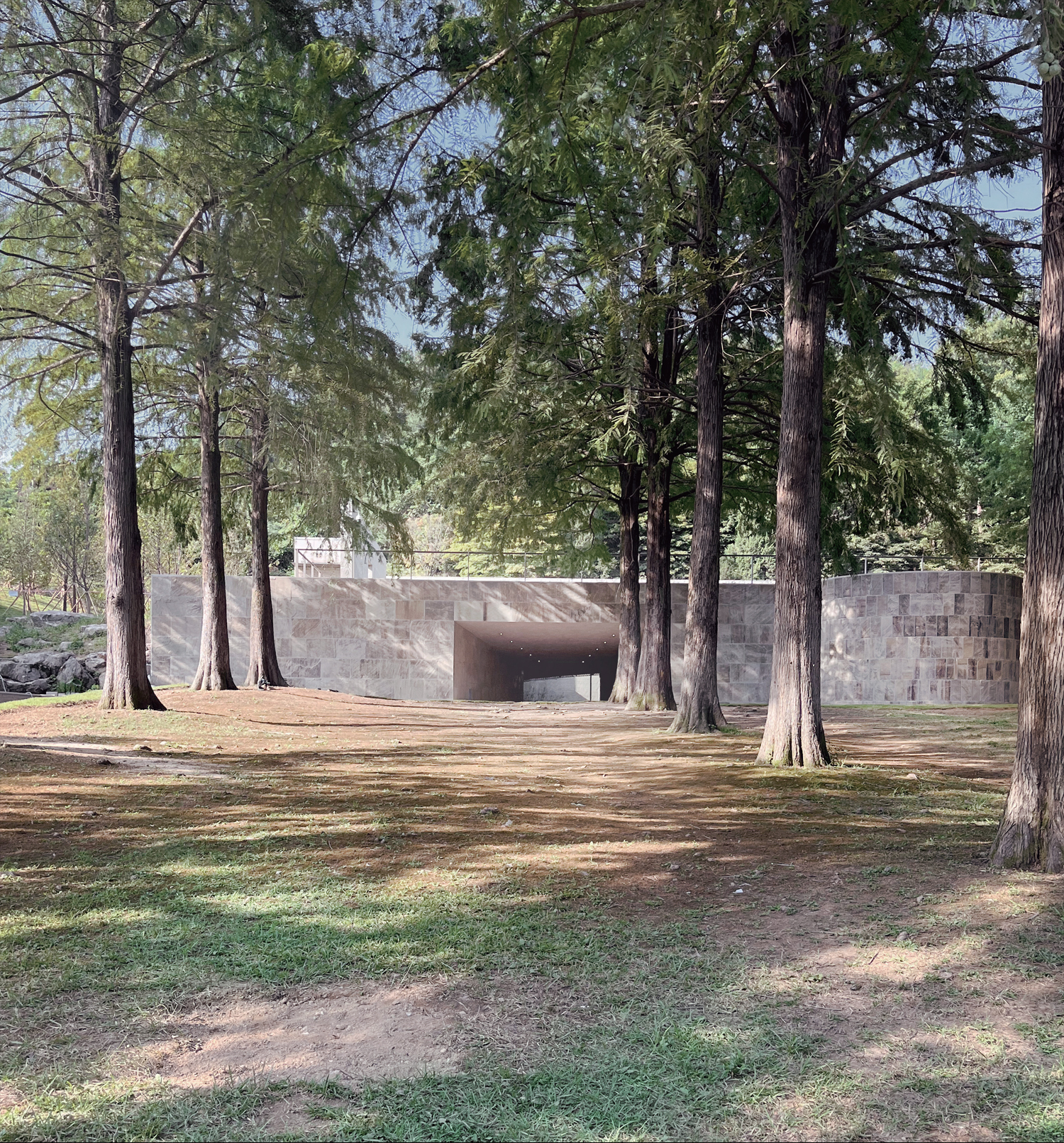
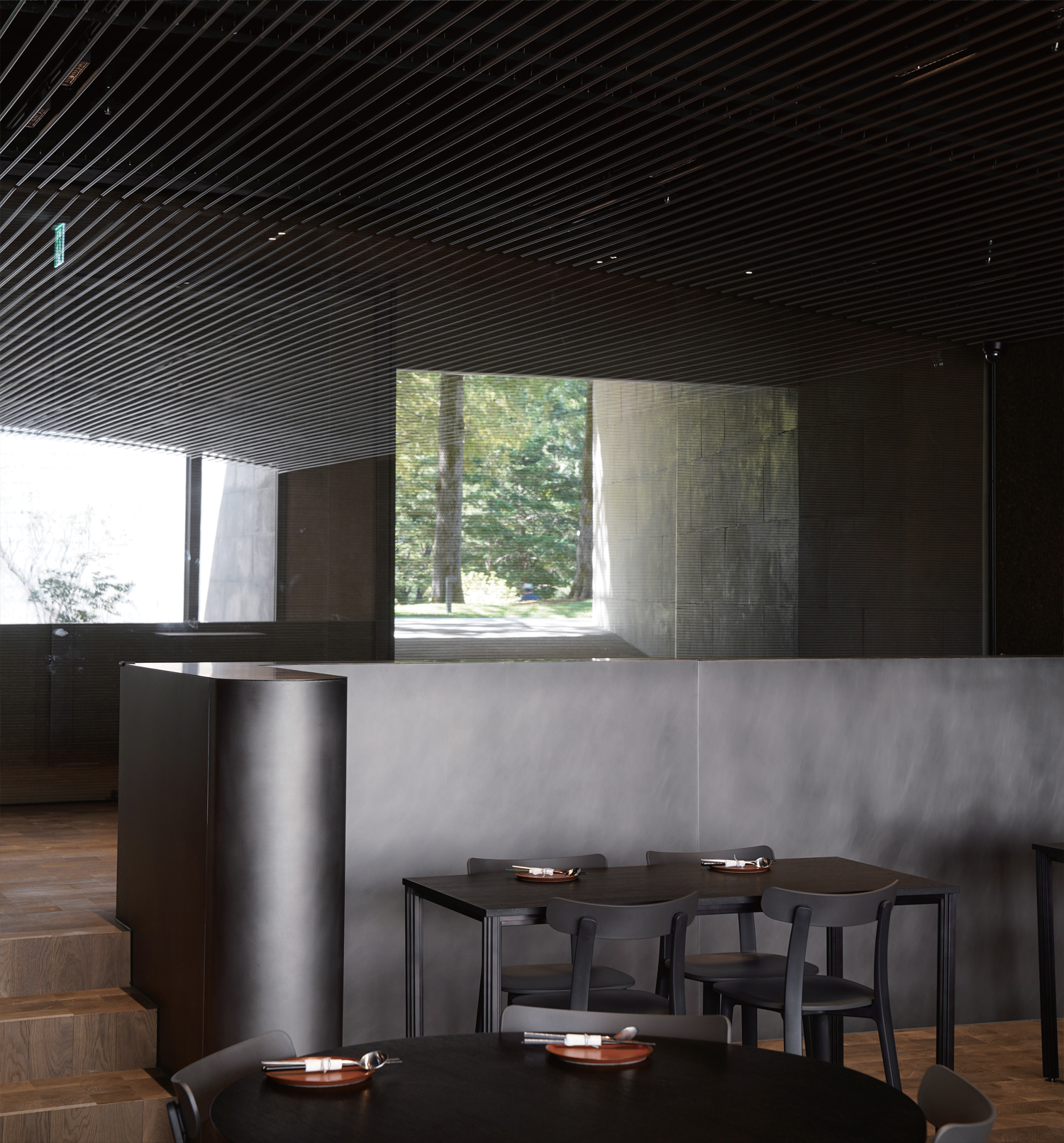
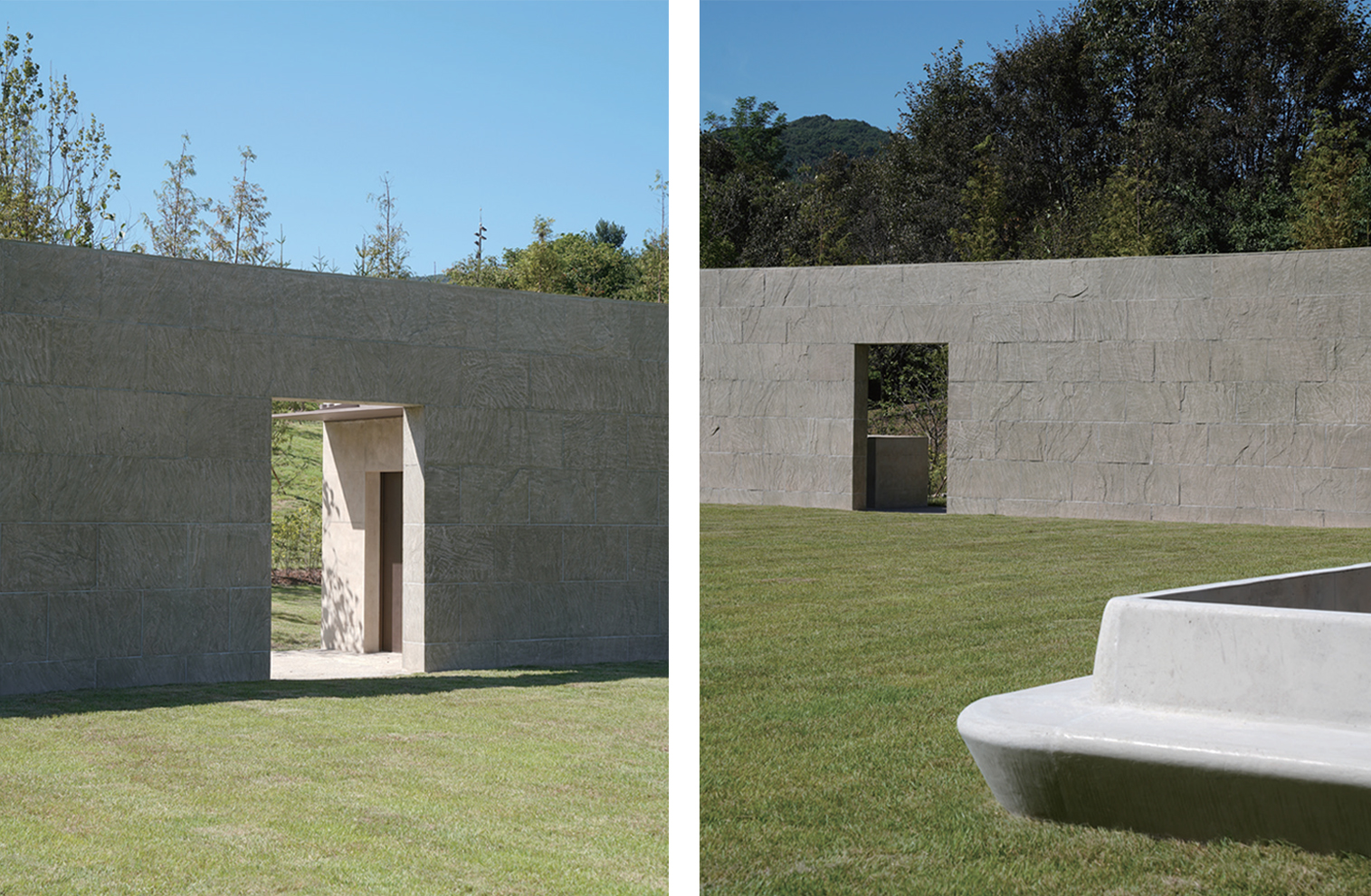
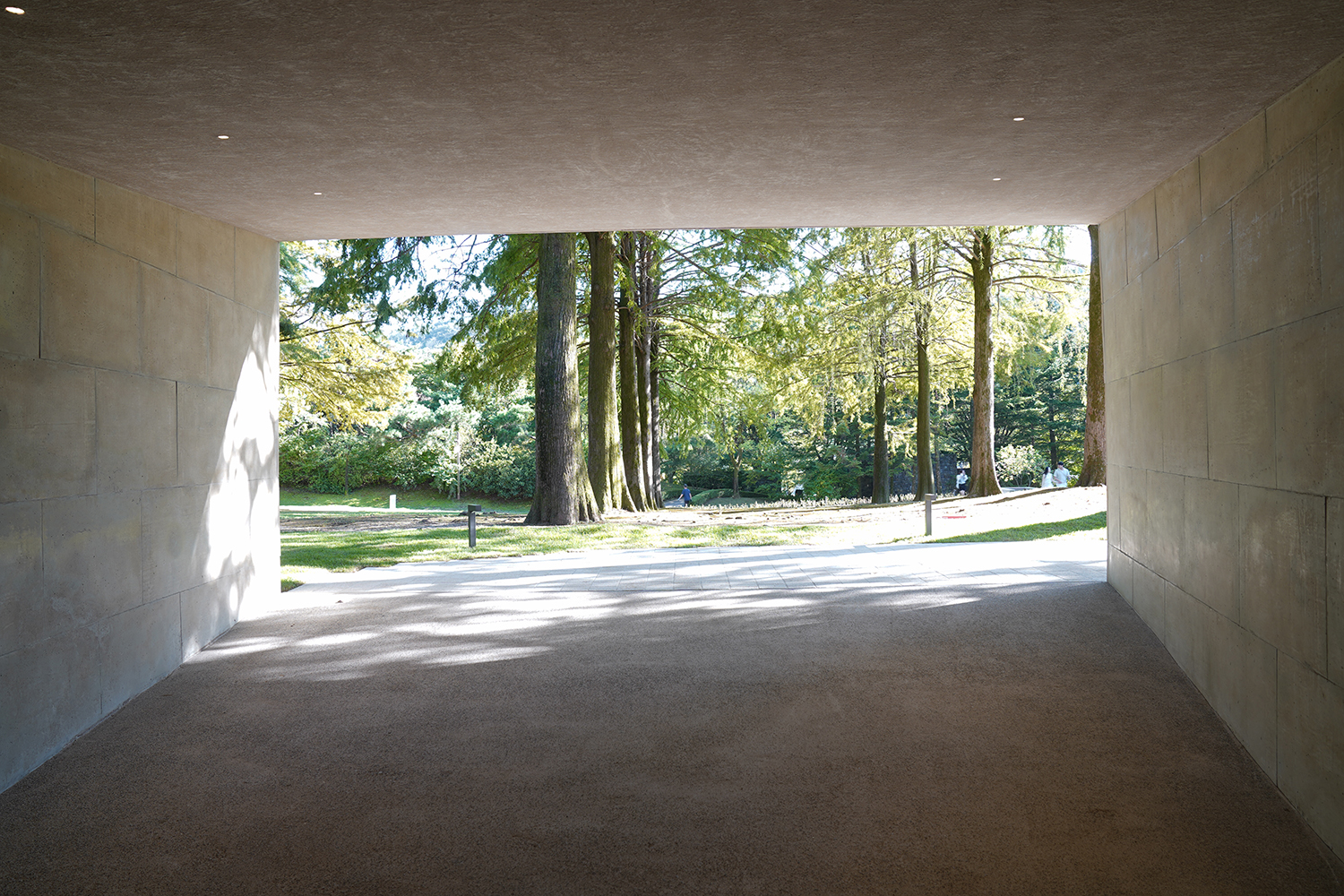
After several stages of revision after the competition, the Hoam Cafe became a single hall embedded beneath the ground behind the sandstone wall. The existing retaining wall was integrated into the new structure, becoming part of its exterior. The sandstone, bearing the traces of time, was brought back to be reused as the finishing material. In this way, the accumulated history of the site was carried into the new architecture. Walking through the forest of bald cypress trees, visitors are drawn into the entrance as if being pulled into a small tunnel. This space leads down a gentle slope where the exterior light gradually fades, guiding the visitor into the main hall of deep darkness. At the furthest point, a sunken garden glows, appearing like a hidden world that only reveals its existence the moment it is discovered.
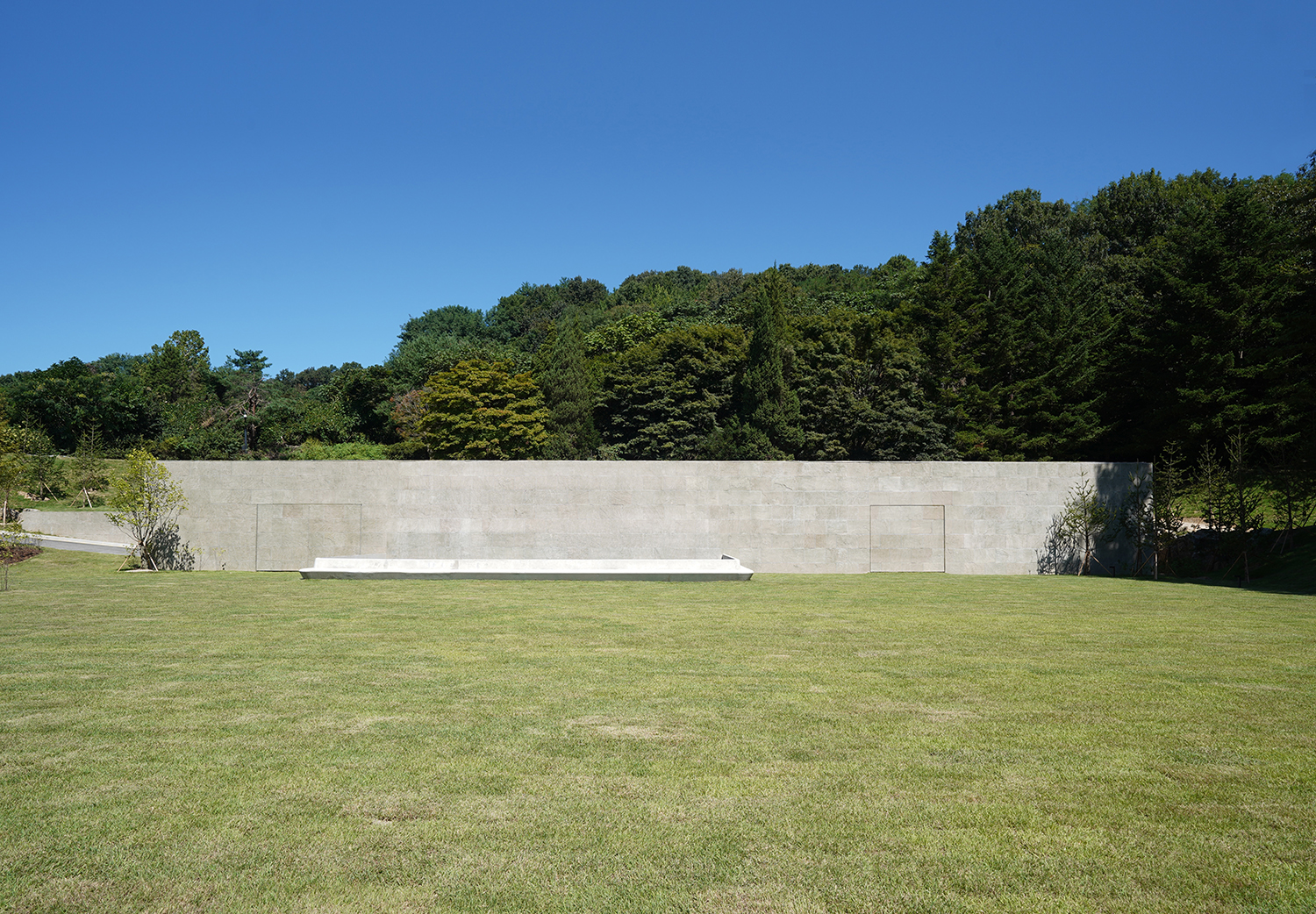
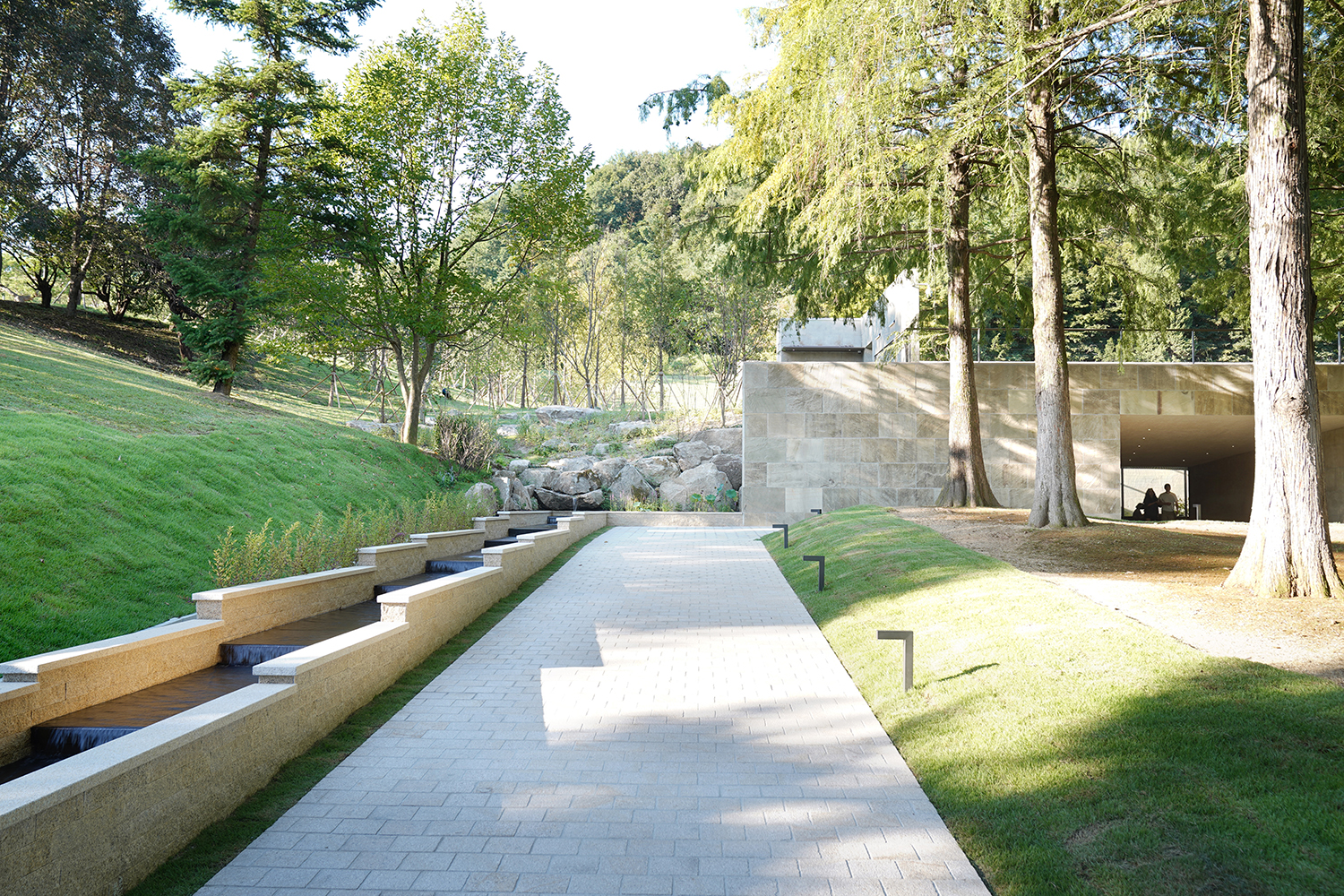
The upper garden, which was originally a sculpture garden, was intentionally left empty. Preserving only the long-standing forest and the moss-covered sandstone, this void awaits a new era as a grand stage for various experiments in art and architecture. To support the immense loads that the upper garden might carry while maintaining the lower level as a vast, column-free hall, arched steel beams were chosen. These gently curved arches imbue the space with a serene and cosy atmosphere while also serving as the structural framework for efficient and systematic mechanical systems.
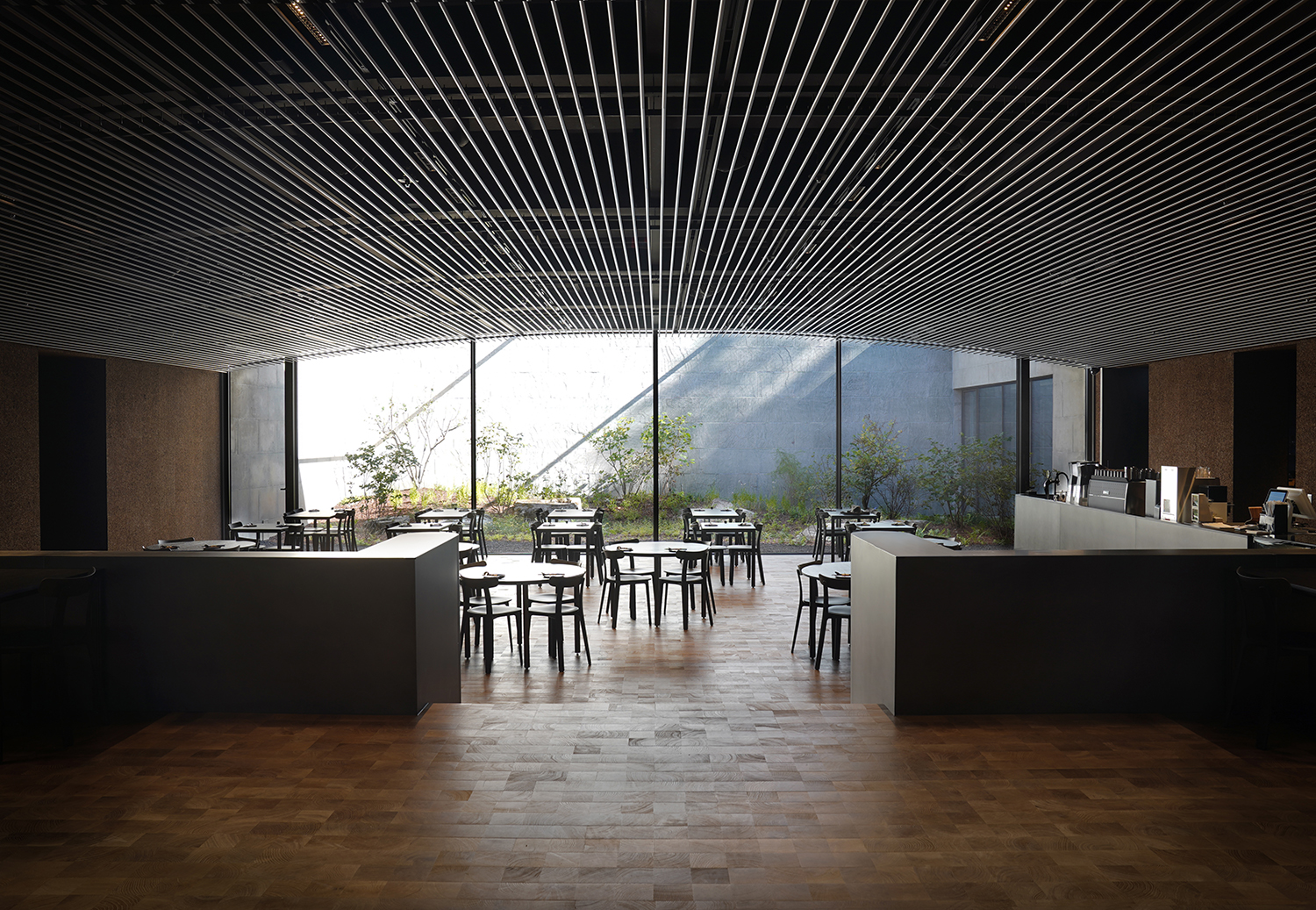
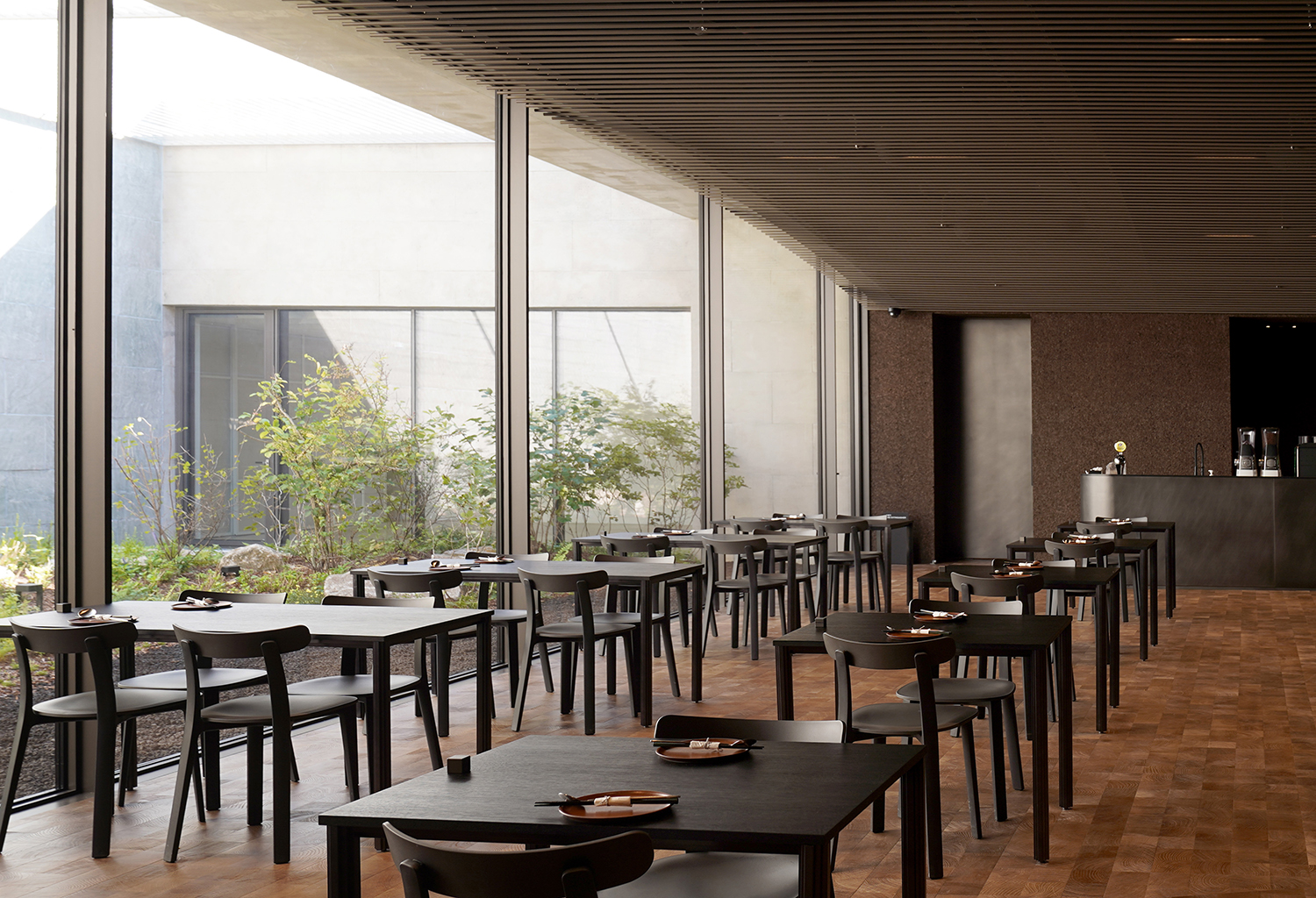
Carbonised cork was chosen as the primary interior finish. With its softened texture achieved through steaming, carbonised cork functions as an excellent acoustic absorber, allowing the vaulted hall to remain subdued and calm. Moreover, its darkened colour from the heating process and the porous voids between exposed particles resonate with the image of an architecture embedded in the earth.
Our intention was to create architecture that fully embraces and interlocks with the beauty of a thirty-year-old forest and the moss blooming on sandstone. Here, the architecture is hidden yet revealed. By settling into the ground, it quietly weaves the old landscape and the new structure together, hoping to be folded gently into the passage of time made evident throughout the site.